
Seven Quality Control Checkpoints in Supplement Production
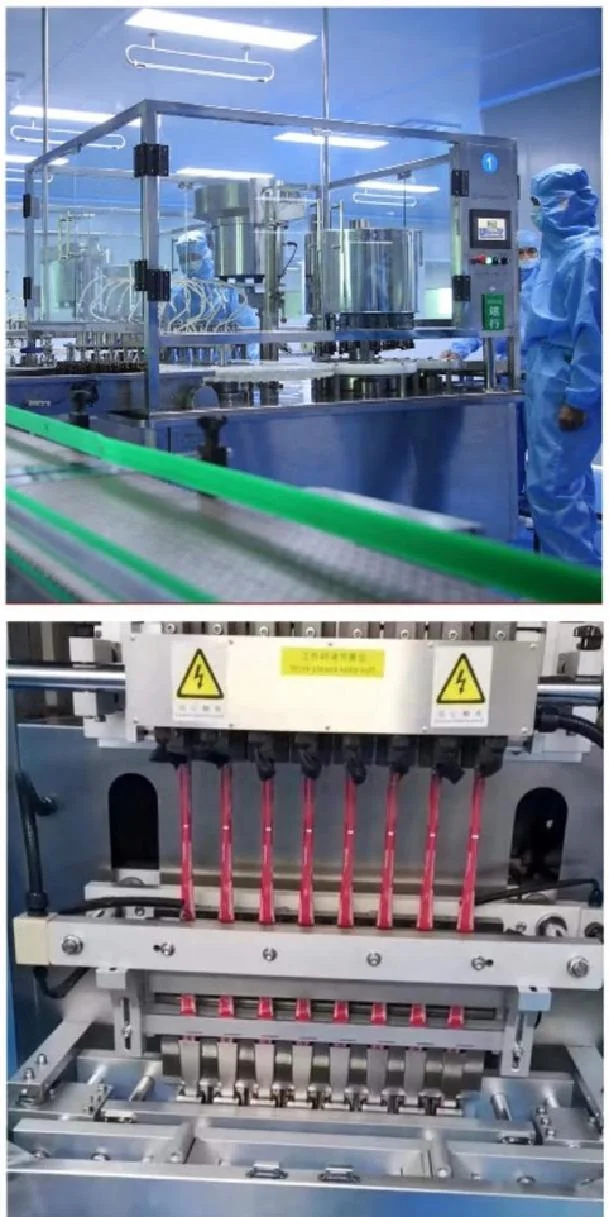
Quality control works best when it is built into the production flow. Waiting until the finished product is packed makes problems more expensive to correct and can put the entire batch at risk.
1. Incoming material review
Raw materials, excipients and packaging components should be checked against approved specifications. Supplier documentation, identity, appearance and storage conditions form the first line of control.
2. Formula and batch record verification
Before production begins, the approved formula, batch number, quantities and process parameters should be confirmed. Every change should be documented and traceable.
3. Line clearance and equipment readiness
Equipment should be clean, calibrated and cleared of previous materials. Line clearance protects against cross-contamination and helps confirm that the correct components are available for the batch.
4. In-process controls
Weight, mixing time, temperature, pH, texture, hardness or fill volume are monitored according to the product format. These checks identify drift while there is still time to adjust the process.
5. Packaging and label verification
Labels, codes, packaging components and fill quantities should be checked at startup and during the run. The first packed unit should match the approved specification and artwork.
6. Finished-product testing
Finished testing confirms that the batch meets the agreed specification. The exact test panel depends on the product, market and customer requirements.
7. Batch review and traceability
Production records, deviations, test results and release decisions should be reviewed together. A complete batch file makes it possible to trace materials, process conditions and distribution information when needed.
How buyers can evaluate a quality system
- Ask how deviations and corrective actions are handled.
- Review sample batch records, not only certificates.
- Confirm who approves the final release.
- Check how packaging changes are controlled.
- Clarify retention samples and document storage periods.
The goal is not to collect more paperwork. It is to create a reliable chain of evidence from incoming materials to the released product.